
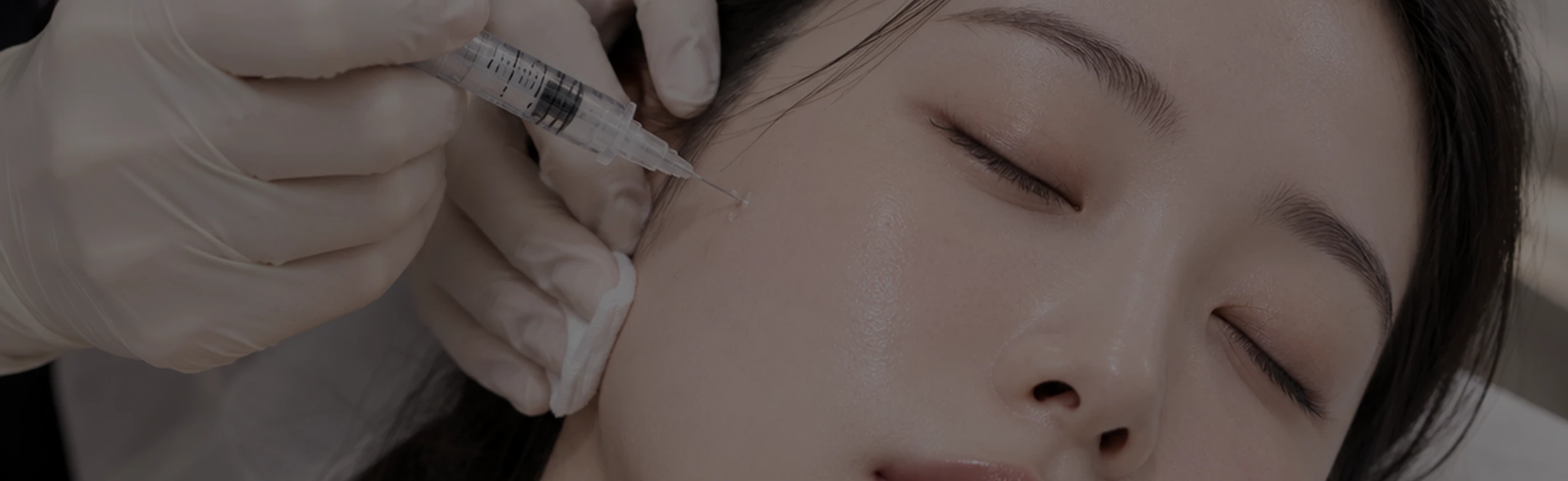
What it is
"Nano Stem Cell" is Violacell's name for a procedure that starts with a blood draw. A small amount of your own venous blood is taken, and a dedicated separation device isolates hematopoietic stem cells and a mix of growth factors from it. That separated material is then injected back. Nothing manufactured outside your body is added to it.
It is not a cultured stem cell treatment. Culturing means sending cells to a lab so their number can grow, and coming back weeks later for the injection. Violacell does not culture: the draw, the separation and the injection all happen on the same day, in one visit. The two approaches have different purposes, and one is not a substitute for the other.
People often compare it with PRP. Both use your own blood. Violacell says PRP uses platelet-rich plasma and is usually injected into skin or scalp, focusing on the spot treated. Nano Stem Cell separates stem cells and growth factors and adds a third route, intravenous. As a rule of thumb, if you only want to address one area, PRP may be enough; if you want the area and your general condition considered together, ask about this one.
One thing to say up front. Stem-cell related treatments are tightly regulated in most countries, and the terminology is loose. Which separation system is used and what approval it holds in Korea: ask the clinic to explain and show you at the consultation before you decide.
Three injection routes
- Dermis: injected into facial skin.
- Intravenous: given back as a drip.
- Scalp: injected into the scalp.
Which route, which areas and how much per point: the doctor decides after the consultation.
How it is done at Violacell
- Duration: about 30 to 40 minutes for draw, separation and injection together.
- Anesthesia: local anesthesia, with more options if needed.
- Discomfort: moderate (varies by person).
- Downtime: most people can go about their day as usual.
- Photo analysis: visitors can start with an Evelab AI skin analysis. One facial photo gives data on sagging and skin condition, which feeds into the first consultation.
- Planning: the doctor decides the route, the areas and the amount per injection point.
- Draw and separation: venous blood is drawn and the stem cells and growth factors are separated on site.
- Injection: the doctor injects the separated material along the planned route.
Because there is a blood draw as well as injections, pain control is layered: numbing cream applied in several layers under a film, extra local anesthetic injections for sensitive spots, sedation for people who are very sensitive to pain (with staff monitoring throughout), cooling ahead of and after treatment to ease swelling and heat, and a pain-relief IV drip.
If you are considering sedation, say so at the consultation. It comes with its own rules, such as fasting beforehand and not driving that day. Follow the clinic's instructions.
Who usually asks about it
- People who feel their skin is losing firmness and would rather start with material from their own body.
- People who prefer autologous material to manufactured products.
- People concerned about thinning hair or scalp condition (scalp route).
- People who want their face and general condition considered together (the IV route needs the doctor's assessment).
Whether it suits you is decided at the consultation, and the doctor may advise you to wait.
When to wait, or at least tell the doctor
- Pregnancy, breastfeeding, or planning a pregnancy soon.
- Blood disorders, clotting problems, or taking anticoagulants or antiplatelet drugs such as aspirin.
- Current cancer treatment or a history of cancer.
- Recent fever, infection, or inflammation or wounds at the injection site.
- Serious heart, liver or kidney disease, or allergy to anesthetics.
- Fainting at needles or blood. Mention it before the draw.
- Other injections or laser treatments in the past few weeks. Ask how long to wait.
None of these is automatically a no. The point is to tell the doctor and let them decide. Bring a list of your medicines and supplements.
Possible reactions and risks
Bruising, mild swelling and tenderness at the draw and injection sites are common and usually settle within a few days. Small red dots or bumps can appear on the skin after the dermal route. The scalp may feel tight for a while. The IV site can be sore or bruised.
Less common: infection, allergic reaction, small nodules at injection points, and dizziness or nausea after sedation. These are possible with any injection. If redness, swelling, heat or pain keep getting worse, or you develop a fever, contact the clinic right away.
How you respond, whether you see a change and how long it lasts all vary from person to person.
Aftercare
- No makeup on the injection points that day, and do not rub them.
- Avoid alcohol, saunas and hard exercise for a day or two.
- After the scalp route, skip washing your hair that day unless told otherwise.
- After sedation, do not drive that day. Have someone walk you back if possible.
- Before you fly home, ask what symptoms mean you should get in touch, and how.
Questions to ask before you book
- Which separation system is used, and what is its approval status in Korea? Ask to see it.
- Which route, which areas and what total amount are planned for you?
- Which doctor will treat you on the day?
- How will anesthesia be handled: cream only, local injections, or sedation?
- What does the quote include: draw, separation, injection, anesthesia, IV drip?
- How many sessions does the doctor suggest, how far apart, and why?
You can see the product and consumable packaging before treatment, and ask for a sheet afterward listing the products and amounts used. For the first visit, see the Violacell visitor guide.
FAQ
How is this different from cultured stem cell treatment?
Culturing takes time to multiply cells, so you leave a sample and come back. Here, blood drawn that day is separated and injected that day. The two serve different purposes, and responses vary.
Is the skin route or the IV route better?
Which route and which areas: the doctor decides after the consultation.
How many sessions are needed?
That depends on your skin, the route and your goals. The doctor will explain at the consultation. Responses and duration vary.
Does it hurt?
Moderate, varying by person. Numbing cream, local injections, cooling and a pain-relief drip are used, and sedation is available on request.
Nano Stem Cell or PRP?
Both use your own blood. PRP focuses on the treated area; this adds the option of an IV route. The consultation decides which fits.
Can I fly the next day?
Most people resume normal activity the same day. After sedation, do not plan a tight flight that day. Check with the doctor.