
What it is
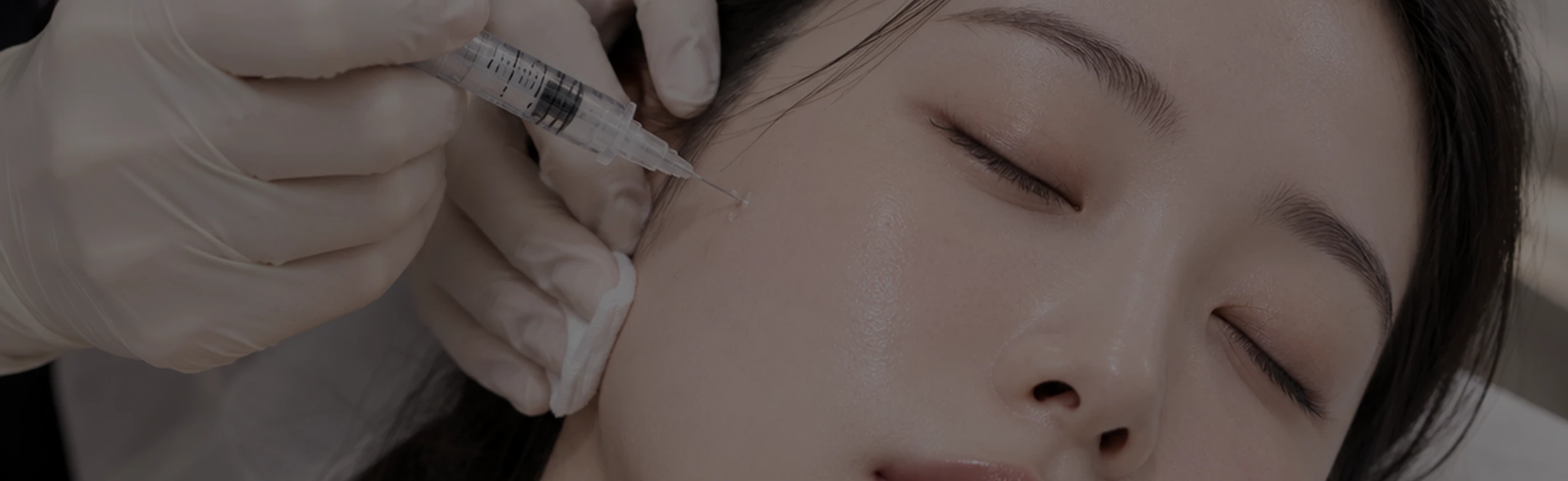
The Olacell Injection starts with an assessment of your skin, after which a combination of ingredients is chosen and injected into the skin. The blend and the interval between sessions are set for the individual. People concerned about firmness, fine lines, dullness or rough texture ask about it.
The Olacell Injection uses your own blood. After a blood draw, it is processed by centrifugation with a Korea MFDS-licensed blood-processing device (PROPRP, license No. 제허 12-787호) and then injected into the skin. You can ask to see the device and consumables before treatment.
Violacell also offers Nano Stem Cell, which uses your own venous blood, processed and injected the same day by skin, IV or scalp route. Both use the same class of licensed device but are done differently; ask the doctor which fits you.
Violacell's approach
Violacell says the aim is not volume. Hydration, density, firmness and glow are considered together. The plan starts from your particular concerns, whether dryness, fine lines, loss of firmness or texture, and the combination is adjusted to the current state of your skin. Skin thickness in different areas is taken into account so the material reaches the right place and depth.
How much change you see and how long it lasts vary from person to person.
How it is done at Violacell
- Duration: about 10 to 20 minutes.
- Anesthesia: topical numbing cream, or sedation.
- Discomfort: moderate (varies by person).
- Downtime: most people can go about their day as usual.
There are four steps:
- Assess: firmness, hydration, pores and texture are checked to set a direction.
- Combine: the ingredient combination and treatment area are chosen, and you are prepared for a comfortable procedure.
- Inject: the prepared blend is delivered evenly into the skin.
- Finish: the skin is soothed, and the clinic explains daily care and the suggested interval for the next session.
If you are considering sedation, raise it at the consultation. It comes with its own rules, such as fasting and not driving that day.
Who usually asks about it
- People whose skin has lost firmness and looks tired.
- People with dry, dull skin who want it to recover.
- People bothered by fine lines and rough texture.
- People who want gentle skin care and anti-aging with a natural look.
Suitability is decided at the consultation.
When to wait, or tell the doctor
- Pregnancy or breastfeeding.
- Current cancer treatment or a history of cancer.
- Clotting problems, or anticoagulant or antiplatelet medication.
- Active acne, dermatitis, cold sores, infection or wounds on the face.
- Previous allergy to ingredients or anesthetics.
- Autoimmune conditions.
Possible reactions and risks
Small red dots or bumps at the injection points, mild swelling and bruising are common and usually settle within days. Temporary redness, itching or small firm spots can occur. Infection, allergic reactions and delayed nodules are less common, and sedation can leave you dizzy or nauseous for a while.
Because it starts with a blood draw, the draw site may also bruise or feel sore. If redness, swelling, heat or pain keep increasing, contact the clinic.
Aftercare
- No makeup that day; do not touch or rub the injection points.
- Avoid saunas, alcohol and hard exercise for a few days.
- Pause exfoliants, strong acids and retinoids for a while.
- Protect your skin from the sun.
- After sedation, do not drive that day.
- Write down the daily-care advice and suggested interval from the final step.
Questions to ask before you book
- Ask to see the blood-processing device (PROPRP, license No. 제허 12-787호) and consumables before treatment.
- Compared with Nano Stem Cell, which fits you better, and why?
- Which doctor will treat you on the day?
- How anesthesia will be handled, and what sedation requires.
- You can ask to see the packaging opened before treatment, and to receive a sheet listing products and amounts used.
- What the quote includes, how many sessions are suggested and how far apart.
Practical details for your visit are in the Violacell visitor guide.
FAQ
What is used in the Olacell Injection?
Your own blood. It is processed by centrifugation with a Korea MFDS-licensed blood-processing device (PROPRP, license No. 제허 12-787호) and injected into the skin. You can ask to see the device and consumables.
How is it different from Nano Stem Cell?
Both use your own blood and the same class of licensed blood-processing device. Nano Stem Cell can go by skin, IV or scalp route; the Olacell Injection goes into the skin only. Ask the doctor which fits you.
Does it hurt?
Moderate, varying by person. Numbing cream is used, and sedation is available.
Can I have it on the day of my consultation?
Same-day treatment is possible when a suitable treatment is confirmed, there is no safety concern and time allows. Treatments that need preparation or recovery planning are booked separately.
How many sessions are needed?
Violacell says the blend and interval are set for your skin. Ask at the consultation how many sessions and why.
Where can I see the price?
You will receive a quote in person after the consultation; ask what it includes.